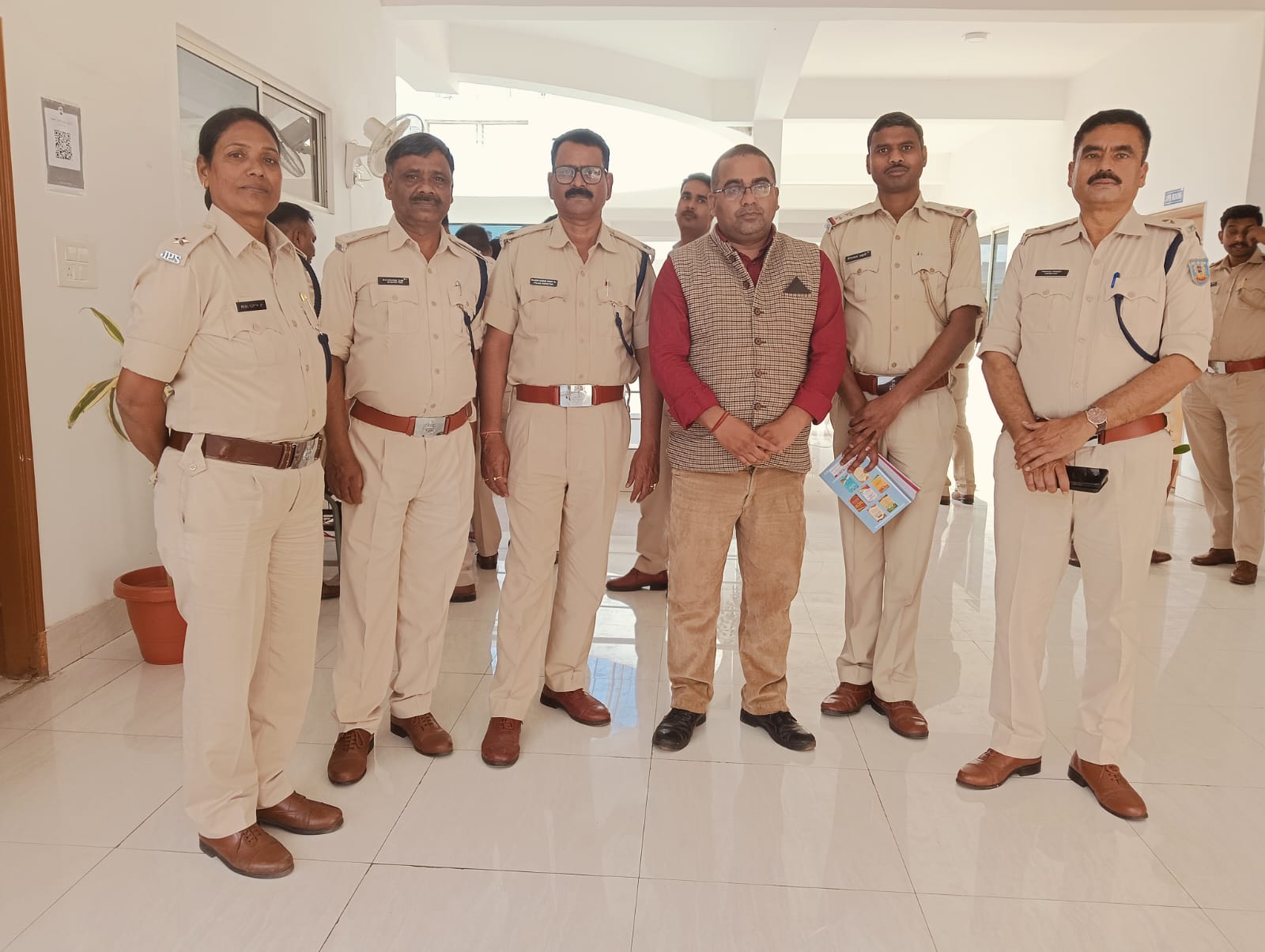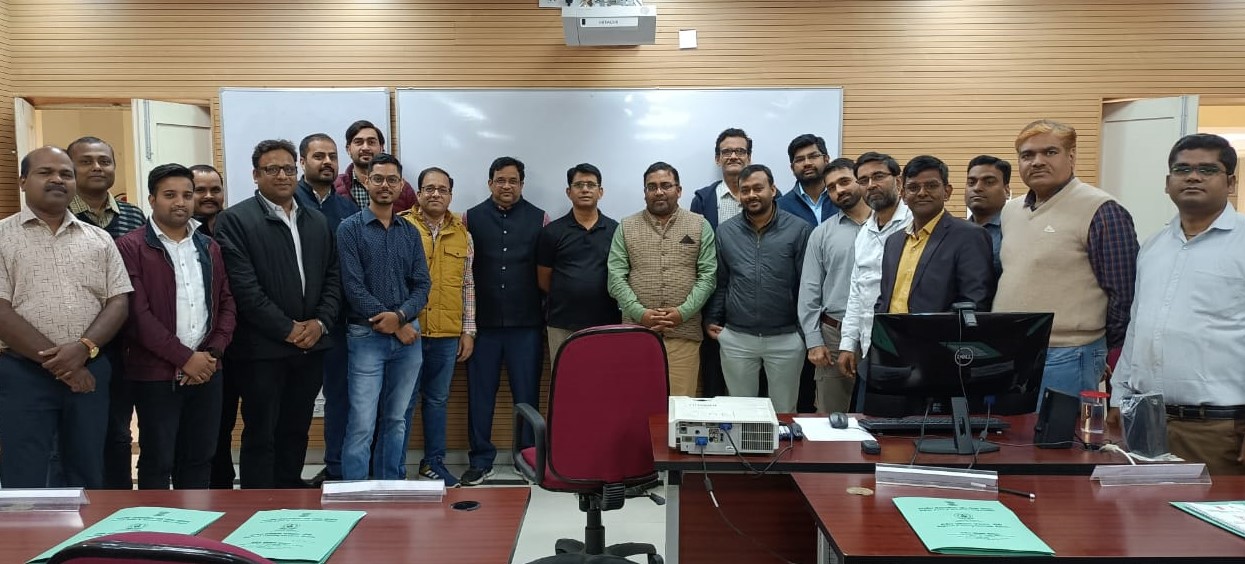
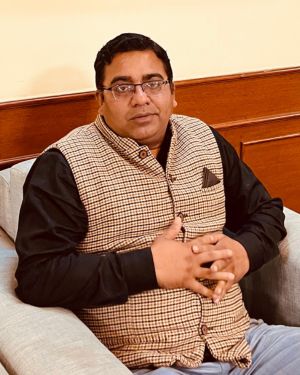
Dr. Alok Kumar Associate Professor of Law is a distinguished legal academician and researcher specializing in Judicial Accountability, Constitutional Law, Procedural Laws, and Human Rights. With an extensive career in teaching, research, and academic administration, he has contributed significantly to the field of law. His expertise encompasses curriculum design, legal research, faculty leadership, and student mentorship, shaping future legal professionals and scholars. His profound knowledge, commitment to academic excellence, and innovative approach to legal education make him a highly respected figure in the academic and legal fraternity.
Dr. Alok Kumar has a robust academic background, reflecting his deep engagement with legal studies and research. He earned his Ph.D. in Law, focusing on “Judicial Accountability in India: An Analytical Study.” His research in this domain has contributed to the evolving discourse on judicial transparency and accountability in India. Prior to his doctoral research, he qualified the UGC NET, showcasing his strong academic foundation in legal studies. This qualification further enabled him to contribute effectively to teaching and research in higher education institutions. Dr. Kumar pursued his LL.M. from Law School, Banaras Hindu University (BHU), Varanasi, Uttar Pradesh, in 2008. His master's degree equipped him with specialized knowledge in various aspects of law, strengthening his research and analytical capabilities.He completed his LL.B. from Law School, BHU, Varanasi, in 2006, which laid the foundation for his legal expertise. During his undergraduate studies, he actively engaged in moot courts, legal research, and academic discussions, sharpening his advocacy and analytical skills.
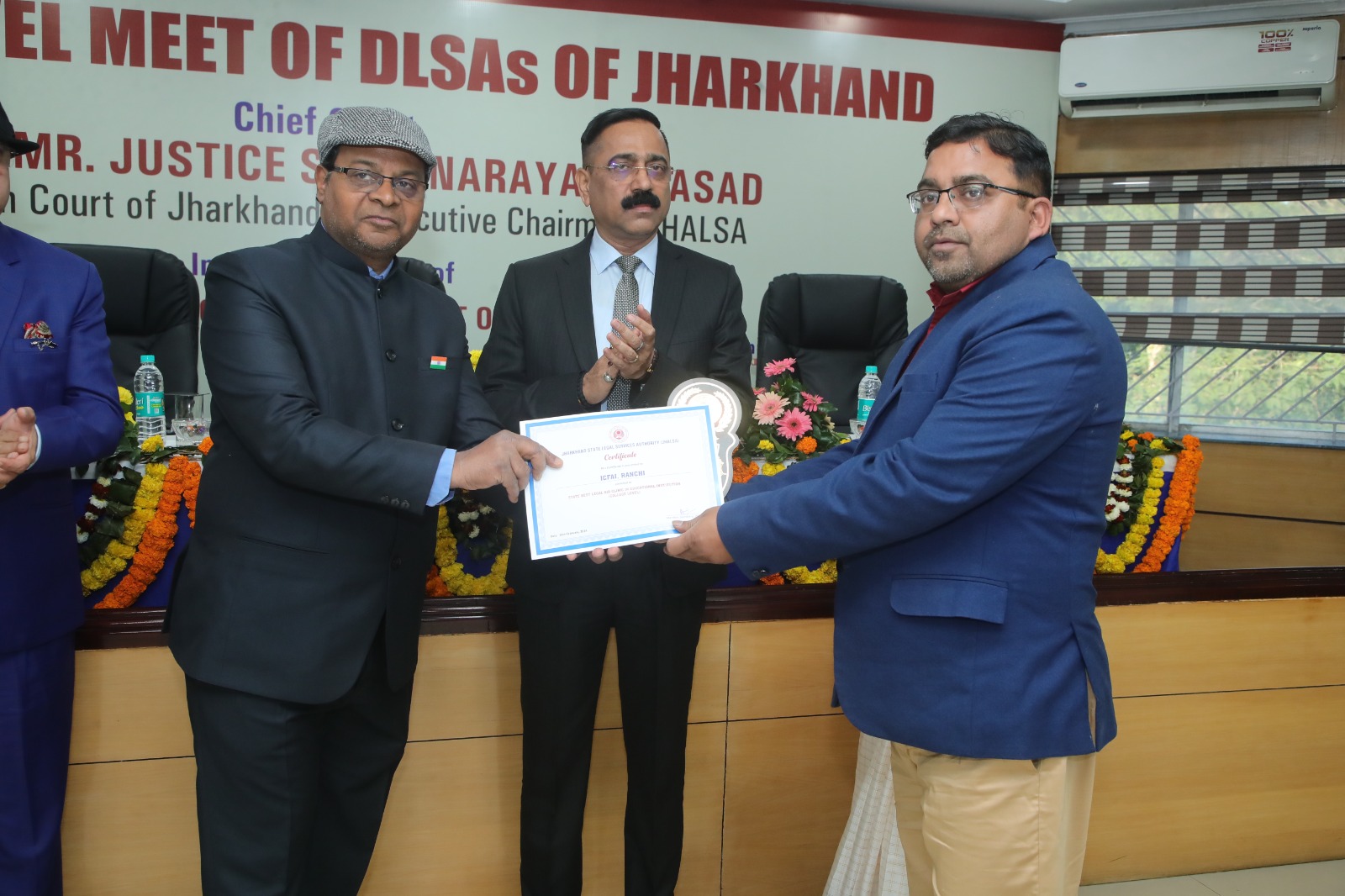
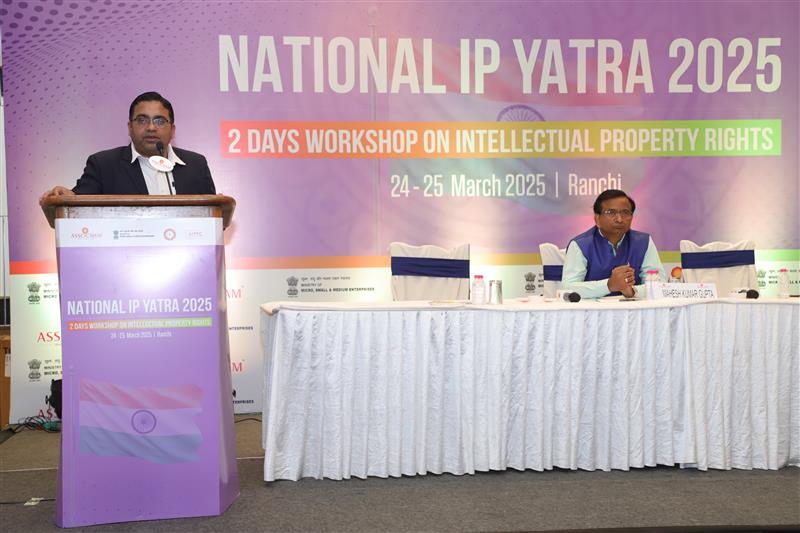
Currently, Dr. Kumar serves as an Associate Professor in the Department of Law at Sarala Birla University, where he plays an instrumental role in legal education, research, and policy discussions.Previously, he held several key academic positions. From June 2018 to October 2024, he was an Associate Professor of Law, Head of the Department (Law), and Assistant Dean – Faculty of Law at The ICFAI University, Jharkhand. Before that, he worked as an Assistant Professor of Law at the Faculty of Law, The ICFAI University, Dehradun, Uttarakhand, from August 2013 to May 2018.Earlier in his career, Dr. Kumar served as a part-time Lecturer at University Law College, V.B.U., Hazaribagh, Jharkhand, from February 2011 to July 2013. He also worked as a Teaching Associate at Unison School of Law, Dehradun, Uttarakhand, from 2009 to 2010.
Dr. Kumar specializes in various legal fields, including Contractual Laws, Constitutional Law, Procedural Laws, and Mining Laws. His expertise in these areas enables him to provide in-depth legal education and contribute to ongoing legal discourse. In his teaching methodology, Dr. Kumar adopts a multi-dimensional approach to ensure comprehensive learning. He employs the Lecture Method, delivering traditional yet interactive lectures. He also integrates the Case Study Method, analyzing real-world legal cases to enhance students' practical understanding. Additionally, he encourages Participatory Learning, engaging students through discussions, debates, and practical applications to develop their analytical skills.
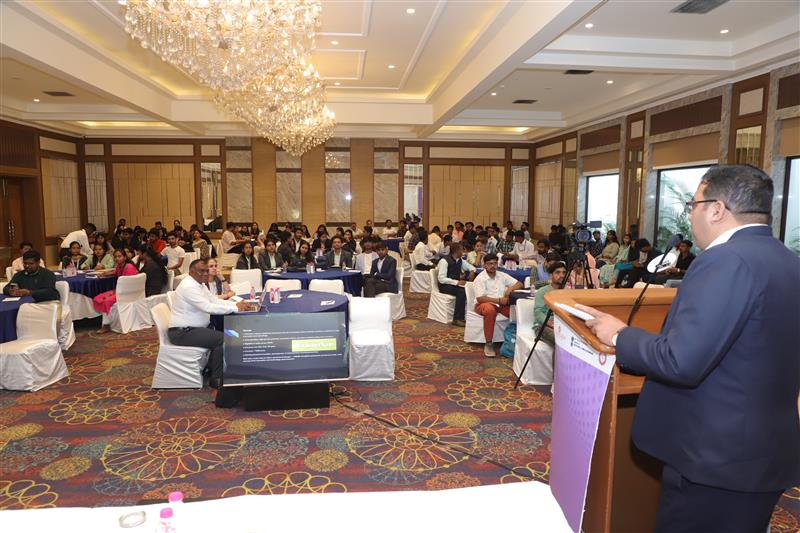
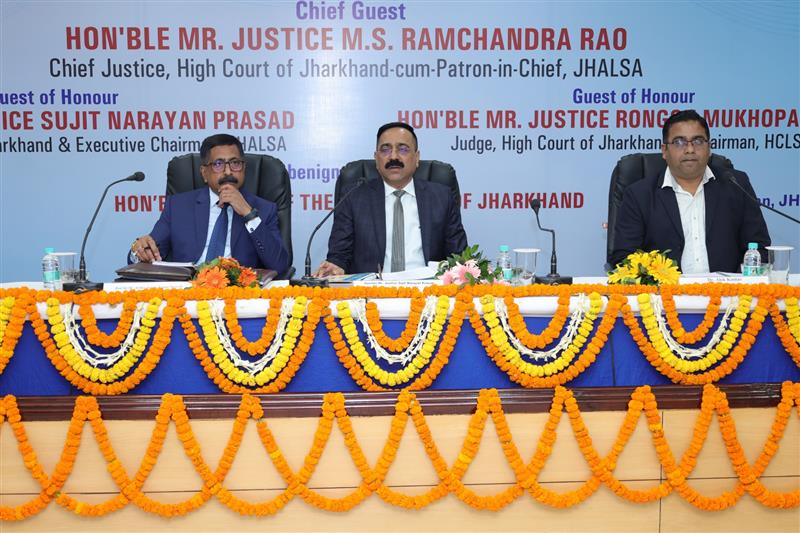
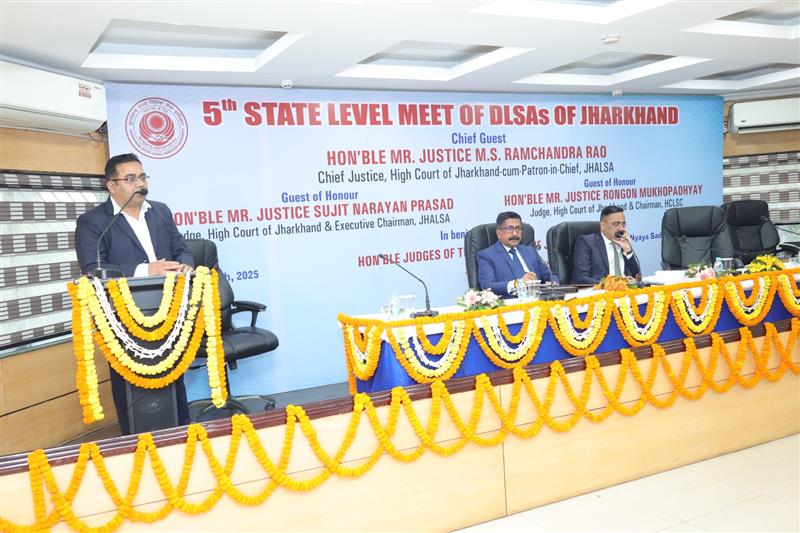
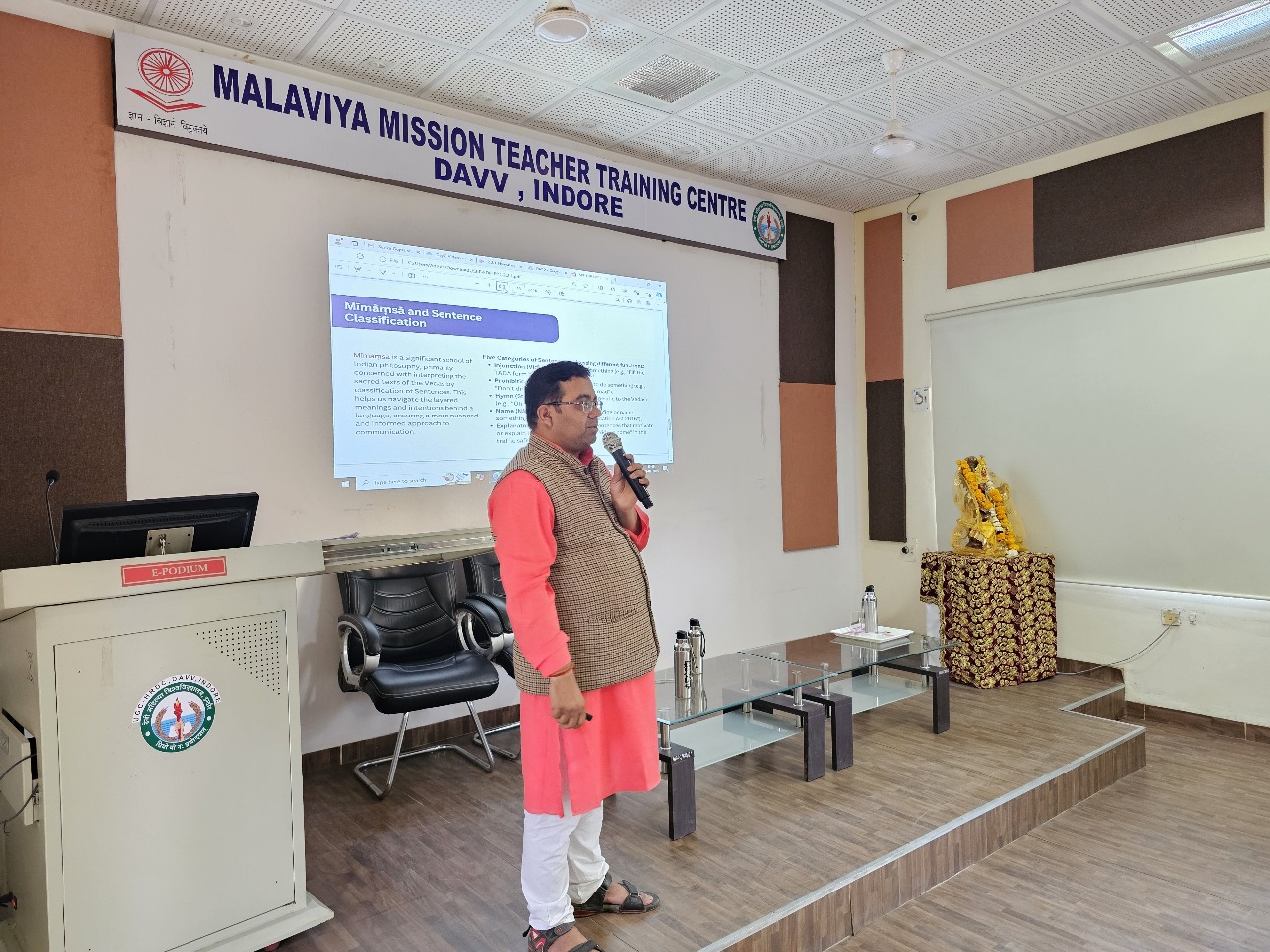
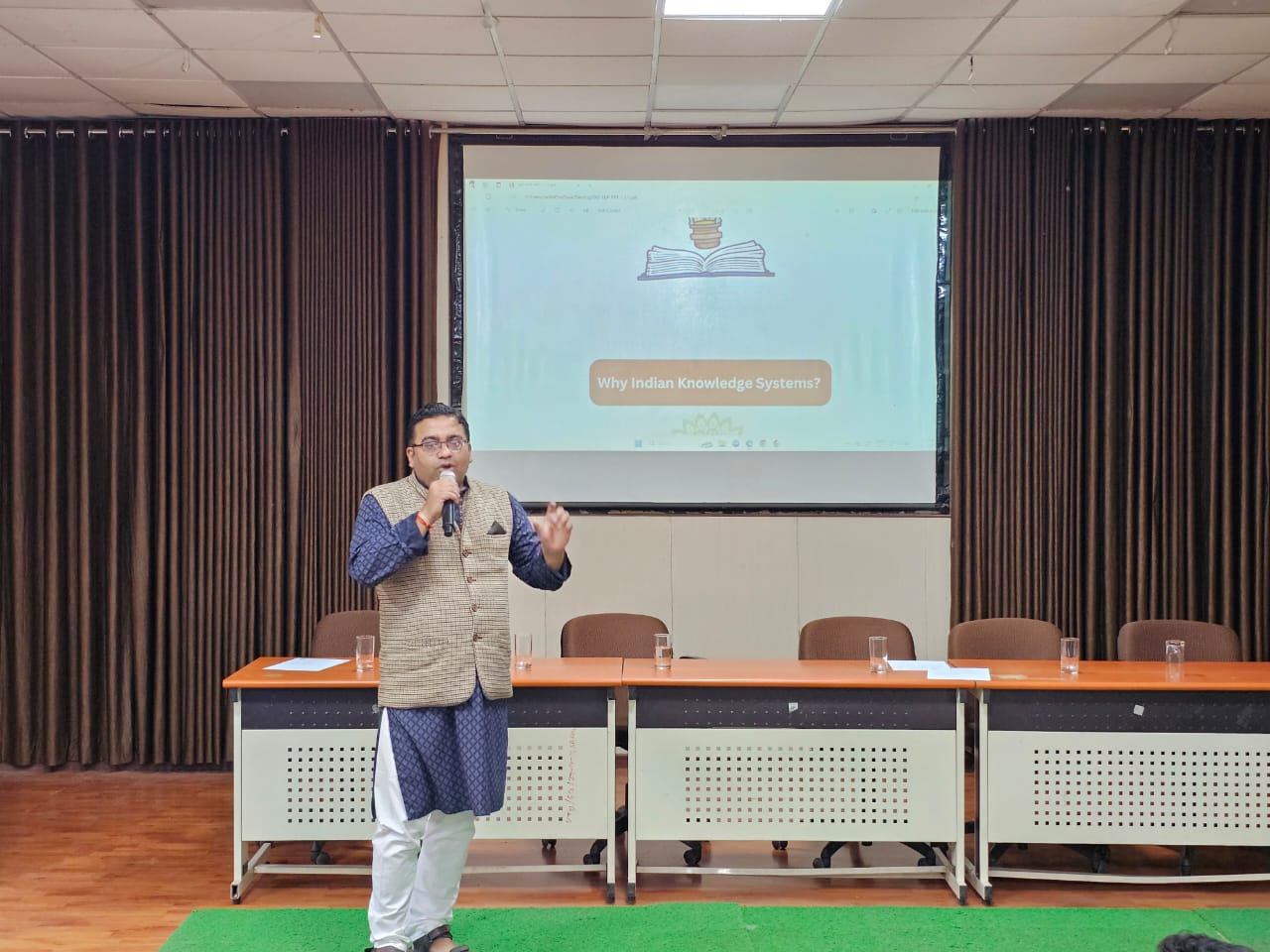
Beyond teaching, Dr. Kumar has taken on several administrative roles, playing a significant part in curriculum development, student activities, and academic quality enhancement. His contributions extend to academic governance, ensuring a well-rounded legal education for students. Dr. Kumar is frequently invited as an External Expert for academic and research-related activities. He is also a sought-after Guest Speaker, participating in academic discussions, training programs, and workshops, where he shares his legal insights and expertise. With an extensive research portfolio, Dr. Kumar has contributed to both national and international journals, enriching legal scholarship. His research spans key areas such as judicial accountability, constitutional law, and human rights, shaping contemporary legal discussions.
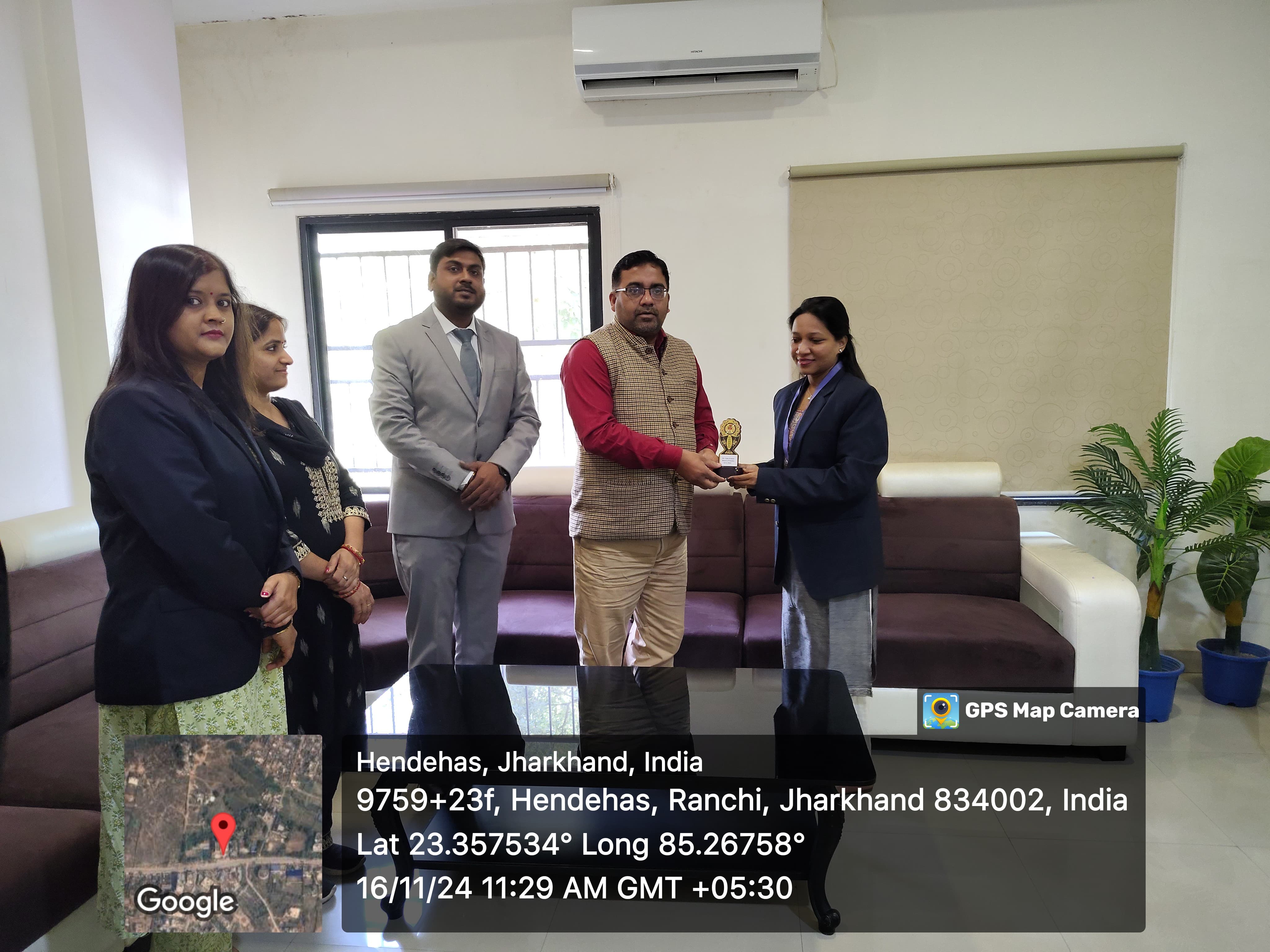
Dr. Alok Kumar’s distinguished career as a legal scholar, professor, and researcher highlights his commitment to legal education and research. Through his teaching, research, curriculum development, and guest lectures, he has significantly influenced the legal community. His academic and administrative contributions, combined with his impactful research, continue to make him an invaluable asset to the broader academic fraternity.
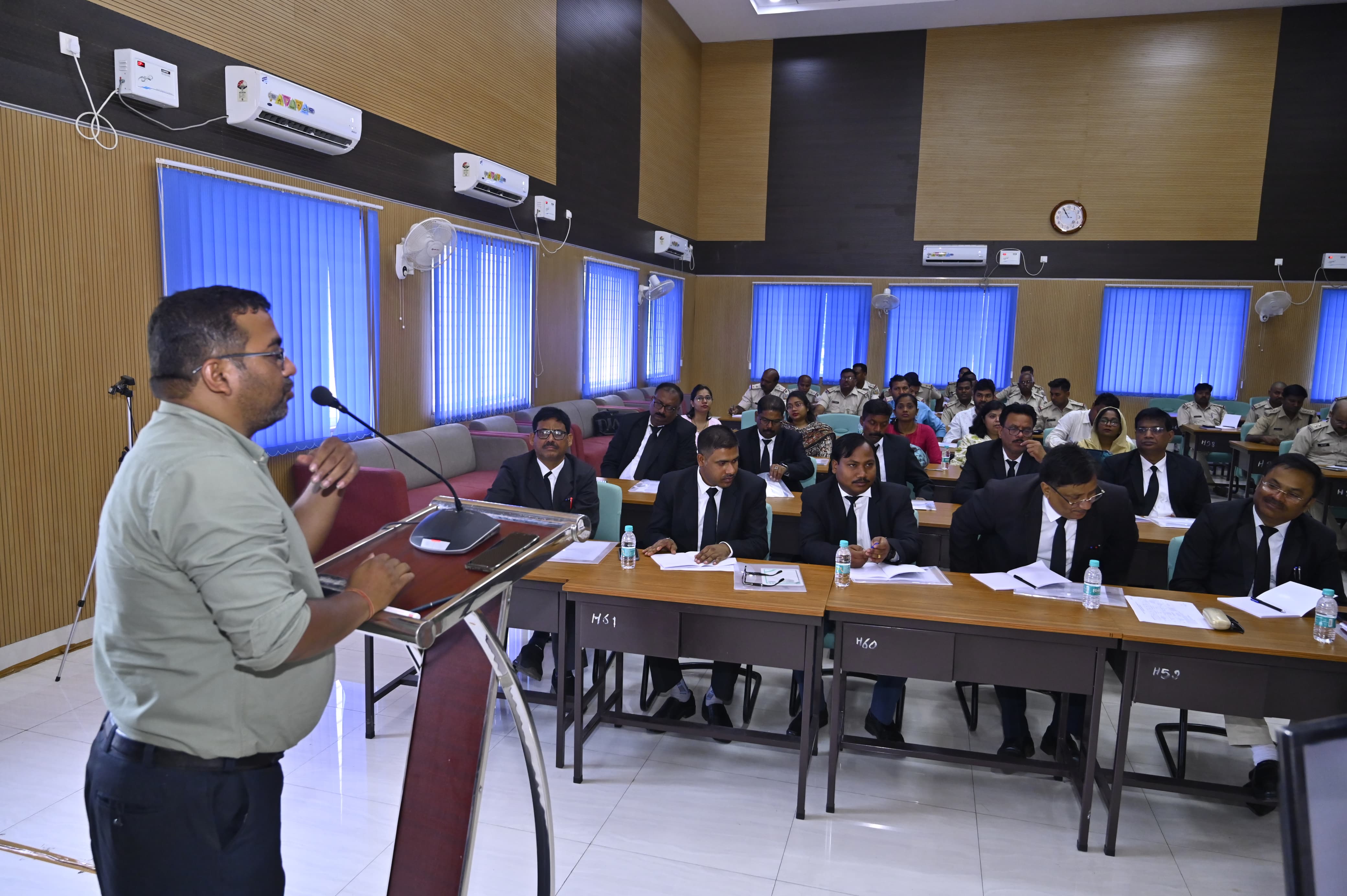
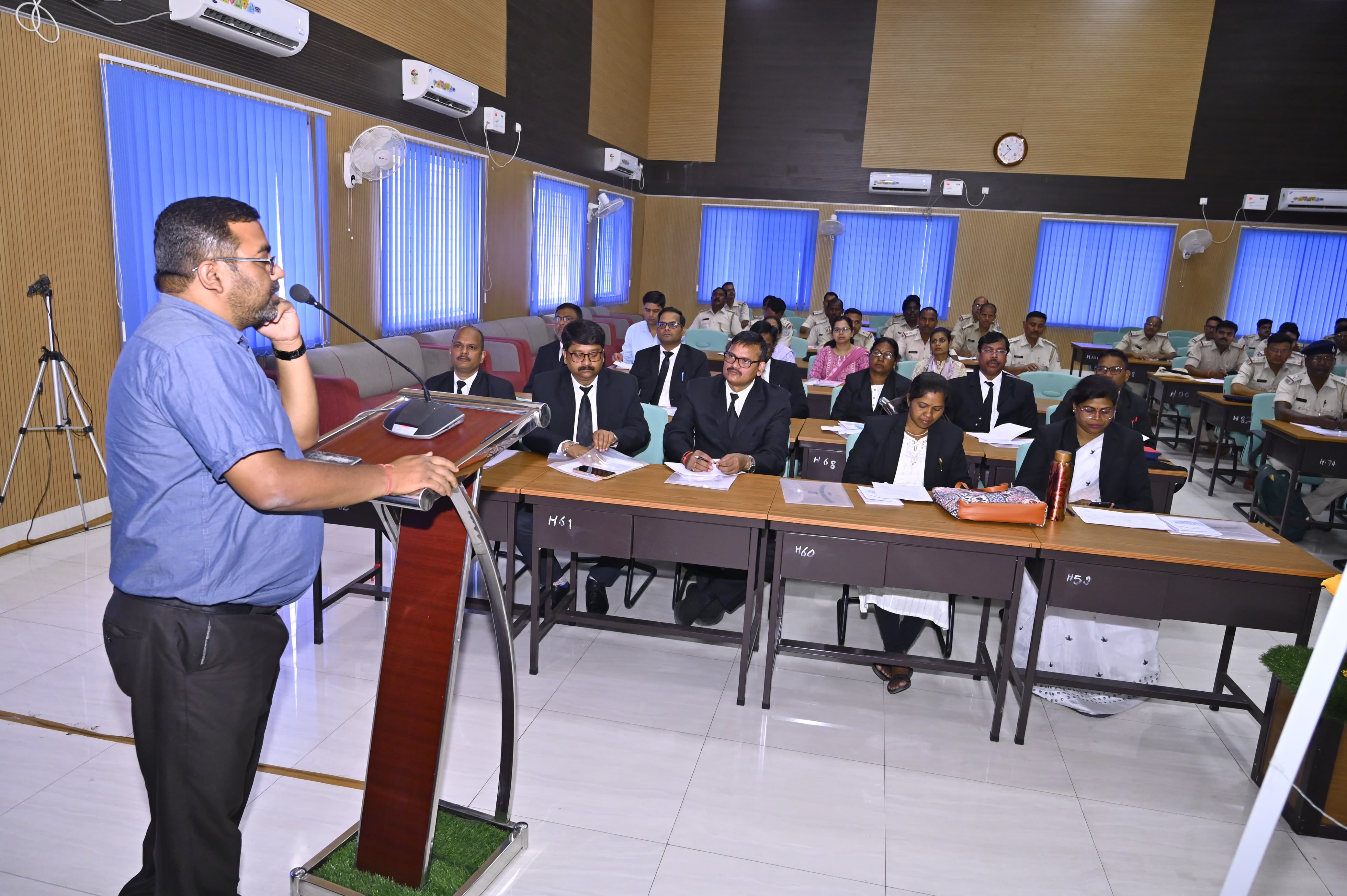
The criminal jurisprudence framework in India was in dire need of modernization due to its outdated nature and inefficiency in dealing with current challenges. The BNSS aims to revamp the criminal justice system by integrating technological advancements and addressing procedural obstacles. The Bharatiya Nagarik Suraksha Sanhita, 2023 (BNSS) was introduced to replace the Criminal Procedure Code, 1973 (CrPC). The Bharatiya Nagarik Suraksha Sanhita (BNSS) is a substantial overhaul of the CrPC. Essentially; the criminal procedure code is designed to look after the process of the administration and enforcement of the criminal law. The BNSS is a progressive legislation that strives to establish a more effective, transparent, and user-friendly criminal justice system. It aims to modernize and streamline India's criminal justice system. The BNSS aims to address the issues of delay in delivery of justice due to complex procedures, large pendency of cases in courts, low conviction rates, low level of use of technology in legal system, delays in investigation and inadequate use of forensics. The BNSS 2023 modernizes criminal justice procedures with mandatory forensic investigations, stricter timelines for judicial processes, enhanced police powers with safeguards, and comprehensive revisions to bail and detention rules.
Judicial Aspirants, Lawyers and Law Students and Others Can Enroll
The course on Electricity Law and Regulatory Framework in India aims to provide a comprehensive understanding of the legal and regulatory aspects governing the power sector. It delves into the evolution of electricity laws in India, key legislative frameworks such as the Electricity Act, 2003, and the roles of regulatory authorities like the Central Electricity Regulatory Commission (CERC) and State Electricity Regulatory Commissions (SERCs). The course highlights critical issues such as power generation, transmission, distribution, tariffs, and consumer rights, fostering an in-depth grasp of the sector's legal landscape.
By the end of this course, students will be able to:
The course on Mining Law: Legal Framework and Environmental Challenges offers an in-depth exploration of the legal, regulatory, and environmental dimensions of mining activities in India. It examines key legislation such as the Mines and Minerals (Development and Regulation) Act, 1957, the Environmental Protection Act, 1986, and related judicial decisions. The course emphasizes the balance between mineral resource exploitation and environmental sustainability, addressing issues like land acquisition, rehabilitation, and community rights. Through case studies and contemporary developments, students will gain insights into the legal frameworks that shape responsible mining practices.
By the end of this course, students will be able to:
The course on Income Tax Law and Criminal Liability under New Criminal Law Regime explores the intersection of taxation laws and emerging criminal law frameworks in India. With recent reforms in criminal legislation, this course examines how tax-related offences such as tax evasion, willful misreporting, and financial fraud are addressed under the new legal regime. The course delves into the punitive measures, prosecution procedures, and enforcement mechanisms introduced in the revised criminal codes, emphasizing their impact on taxpayers, businesses, and enforcement agencies. Through case studies and statutory analysis, students will develop a clear understanding of the evolving landscape of financial crime regulation.
By the end of this course, students will be able to:
The course on GST Law and Criminal Liability under the New Criminal Law Regime explores the intersection of the Goods and Services Tax (GST) Act and the emerging New Criminal Law framework in India. This course examines how tax-related offences such as fraudulent invoicing, tax evasion, and input tax credit fraud are addressed under the revised criminal codes. It provides insights into prosecution mechanisms, penalties, and legal consequences for GST violations in the context of the evolving criminal law landscape. The course emphasizes practical understanding by analyzing case laws, enforcement procedures, and preventive measures to ensure tax compliance and mitigate criminal liability risks.
By the end of this course, students will be able to:
The course "Environmental Law and Industrial Compliance: Legal Framework and Practices" provides a focused exploration of environmental regulations governing industrial activities. It delves into key environmental laws, policies, and regulatory frameworks designed to ensure sustainable industrial practices. The course highlights the balance between economic growth and environmental protection, emphasizing compliance mechanisms, enforcement strategies, and industry best practices.
Through case studies, legal analysis, and practical insights, participants will gain a comprehensive understanding of how industries can align with environmental standards while mitigating ecological harm.
By the end of this course, participants will be able to:
The course "Constitutional Values and Human Rights: Foundations for Justice and Equality" offers a comprehensive exploration of the fundamental values enshrined in the Constitution and their role in promoting human rights. It examines principles like justice, liberty, equality, and fraternity, highlighting their significance in shaping laws, policies, and social frameworks. The course combines legal insights with socio-political perspectives to deepen understanding of constitutional ideals and their impact on ensuring justice and equality.
By the end of the course, participants will be able to:
The course "Protection of Traditional Knowledge: Legal Framework and Emerging Issues" explores the legal mechanisms for safeguarding traditional knowledge (TK) and indigenous practices. It examines the intersection of intellectual property rights (IPR), biodiversity laws, and cultural heritage protection. The course highlights challenges such as biopiracy, misappropriation, and the need for equitable benefit-sharing. Participants will gain insights into national and international frameworks designed to protect TK while addressing contemporary legal and ethical concerns.
By the end of the course, participants will be able to:
"To cultivate a dynamic and inclusive legal education environment that nurtures critical thinking, ethical reasoning, and innovation in legal research, contributing to a just and progressive society."

I am honored to express my deep gratitude and admiration for my esteemed teacher, Dr. Alok Kumar, Associate Professor of Law. His guidance, mentorship, and unwavering commitment to legal education have played a pivotal role in shaping my academic and professional journey.
Dr. Alok Kumar’s teaching is a perfect blend of scholarly depth and practical insight. His ability to simplify complex legal concepts, engage students in critical discussions, and encourage analytical thinking has made a lasting impact on my understanding of law. His dynamic lectures and real-world examples have been instrumental in preparing me for the challenges of legal practice.Beyond academics, Dr. Alok Kumar is a true mentor, always approachable and supportive. His encouragement and belief in his students’ potential instill confidence and inspire us to strive for excellence. His dedication to the field of law and commitment to nurturing future legal professionals are truly commendable.
I feel privileged to have been his student, and I carry forward the lessons he imparted in both my professional and personal life. His influence extends far beyond the classroom, shaping not just skilled lawyers but also responsible and ethical members of the legal fraternity.
Thank you, Sir, for your invaluable guidance and inspiration.

It is both an honor and a privilege to express my heartfelt gratitude to my esteemed teacher, Dr. Alok Kumar, Associate Professor of Law. His profound knowledge, exceptional teaching methodology, and unwavering dedication to legal education have left an indelible mark on my academic and professional journey.
Dr. Alok Kumar is more than just a teacher—he is a mentor who inspires his students to think critically, question deeply, and approach the law with both intellect and integrity. His ability to break down intricate legal principles and relate them to real-world scenarios made learning an enriching experience. His classes were not just about acquiring knowledge but about developing the analytical mindset essential for a successful legal career. Beyond academics, Dr. Alok Kumar’s mentorship has been invaluable. His guidance, encouragement, and unwavering support have played a significant role in shaping my approach to the legal profession. His passion for law and commitment to nurturing young minds continue to inspire me in my professional endeavors at Oil India Limited.
Thank you, Sir, for your wisdom, guidance, and inspiration.

I consider myself truly fortunate to have been a student of Dr. Alok Kumar, whose unwavering dedication to the field of law and commitment to his students have left an indelible mark on my professional journey.
Dr. Kumar is not just an erudite scholar but also a mentor who instills in his students a deep understanding of legal principles and their practical application. His ability to simplify complex legal concepts, his emphasis on critical thinking, and his encouragement of analytical discussions has significantly shaped my approach to the law. What set Dr. Kumar apart is his passion for teaching and his relentless support for his students' academic and professional growth. His guidance extended beyond the classroom, helping us navigates real-world legal challenges with confidence and clarity. His mentorship has been instrumental in my transition from a law student to a legal professional at NHPC Limited.
I express my deepest gratitude to Dr. Alok Kumar for his invaluable teachings, mentorship, and encouragement. His influence continues to guide me in my professional endeavors, and I am proud to have been his student.